
The Appraisal Contingency in Elk Grove: When to Keep It and When to Waive It
One of the most misunderstood parts of a purchase contract is the appraisal contingency. I get questions about it almost every week from Elk Grove buyers and sellers, and the confusion is understandable because this clause quietly controls a lot of money. Let me walk you through what it actually does and how to make a smart decision about keeping or waiving it.
What the appraisal contingency actually protects
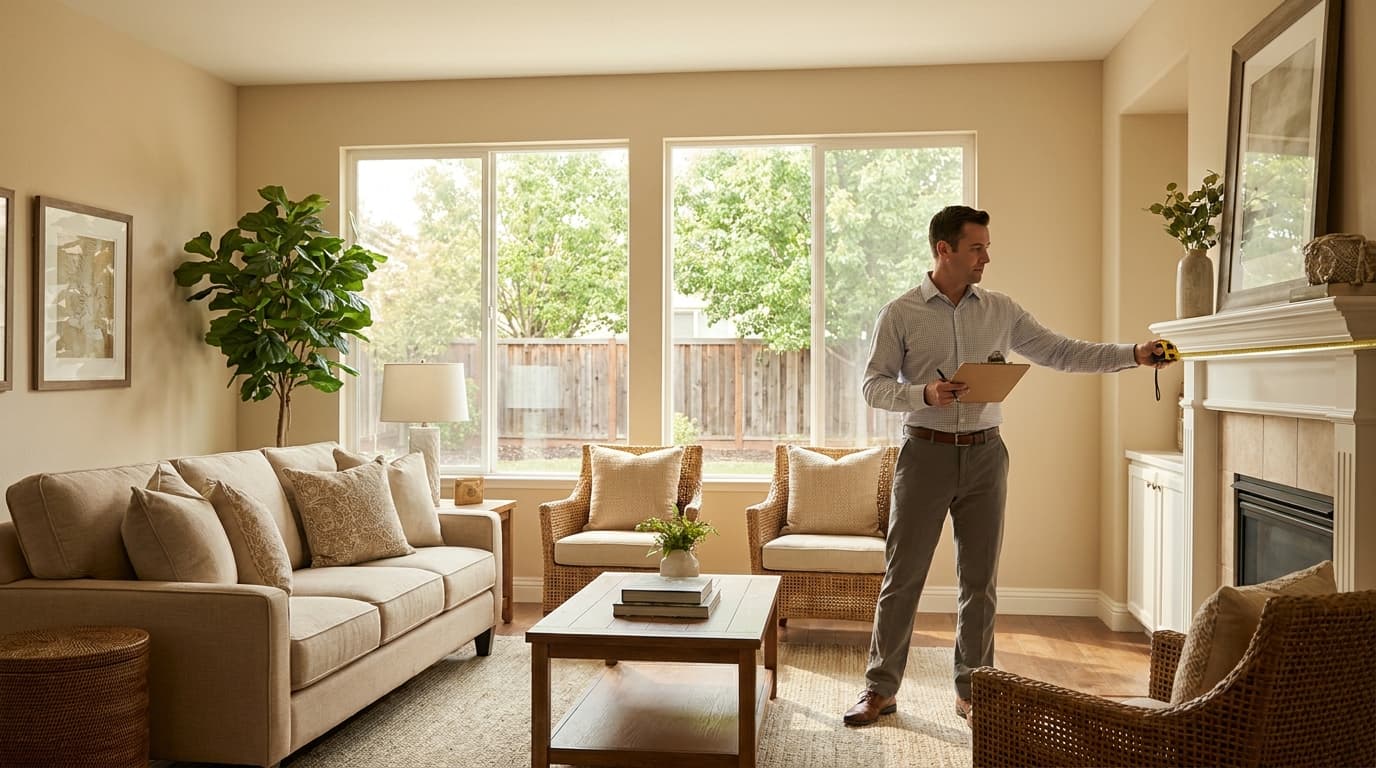
When you finance a home, your lender orders an appraisal to confirm the property is worth what you agreed to pay. If the appraisal comes in at or above your contract price, everyone moves forward. If it comes in below, that is where the appraisal contingency matters.
The contingency gives the buyer options. You can ask the seller to lower the price to the appraised value. You can meet in the middle. Or you can cancel the contract and, in most cases, walk away with your earnest money deposit intact. Without that contingency, none of those exits are guaranteed.
Here is the part people miss. A low appraisal does not mean your loan disappears. Your lender will still lend based on the appraised value, not the contract price. So if you paid 620,000 and it appraises at 600,000, the lender treats 600,000 as the value. You either bring the 20,000 difference in cash or you renegotiate.
When keeping it makes sense
If your budget is tight and you do not have extra cash sitting beyond your down payment and closing costs, keep the contingency. It is your safety net. This is especially true for first time buyers using FHA or low down payment conventional loans where every dollar counts.
You should also keep it if you are buying a unique property, a home with recent big upgrades, or something in a neighborhood with few recent comparable sales. Those are exactly the situations where appraisers struggle to find support and low values happen more often.
When waiving or limiting it can be worth it
In a competitive Elk Grove listing where multiple offers are on the table, a strong buyer sometimes waives the appraisal contingency to win. This tells the seller you will close no matter what the appraisal says. It is powerful, but only do it if you truly have the cash to cover a gap.
My preferred middle path is the appraisal gap clause. Instead of waiving entirely, you agree to cover up to a specific amount if the appraisal comes in low. For example, you promise to bring up to 15,000 to bridge a gap but keep the right to renegotiate beyond that. This gives sellers real confidence while capping your risk.
What this means for sellers
If you are selling in Elk Grove, understand that not all offers carry the same certainty. A slightly lower offer with a waived or capped appraisal contingency can be safer than a higher offer that leaves the door open to renegotiation later. I always help my sellers read the full offer, not just the top number.
Sellers can also help their own cause before the appraisal ever happens. Fresh paint, clean landscaping, and a simple sheet of recent upgrades and comparable sales handed to the appraiser can make a real difference in supporting value.
My advice
Do not treat the appraisal contingency as a checkbox. Treat it as a financial decision. Know your cash position, know the neighborhood comps, and match your strategy to the level of competition on the home. In our current Elk Grove market, thoughtful buyers who use a capped gap clause are winning homes without exposing themselves to unlimited risk.
If you want help structuring an offer that protects you and still competes, reach out. I look at these numbers every day and I am happy to run your specific scenario.
Frequently asked questions
It lets a buyer cancel the purchase or renegotiate the price if the home appraises below the agreed contract price, and in most cases the buyer keeps their earnest money deposit when they back out properly.
Yes. If you waive it and the appraisal comes in low, you are agreeing to cover the shortfall in cash on top of your down payment, or you risk losing your deposit if you cannot close.
Often yes, because it reduces the chance the deal falls apart or gets renegotiated after appraisal. In a competitive Elk Grove situation it can make an offer stand out.
Yes. Many Elk Grove buyers use an appraisal gap clause that promises to cover a set dollar amount, which is safer than waiving the contingency entirely.

I help buyers, sellers, and investors across Elk Grove and the greater Sacramento area. Thinking about a move? Let us talk about your goals, no pressure.