Closing Disclosure Explained: Reading Yours Line by Line in Elk Grove (2026)
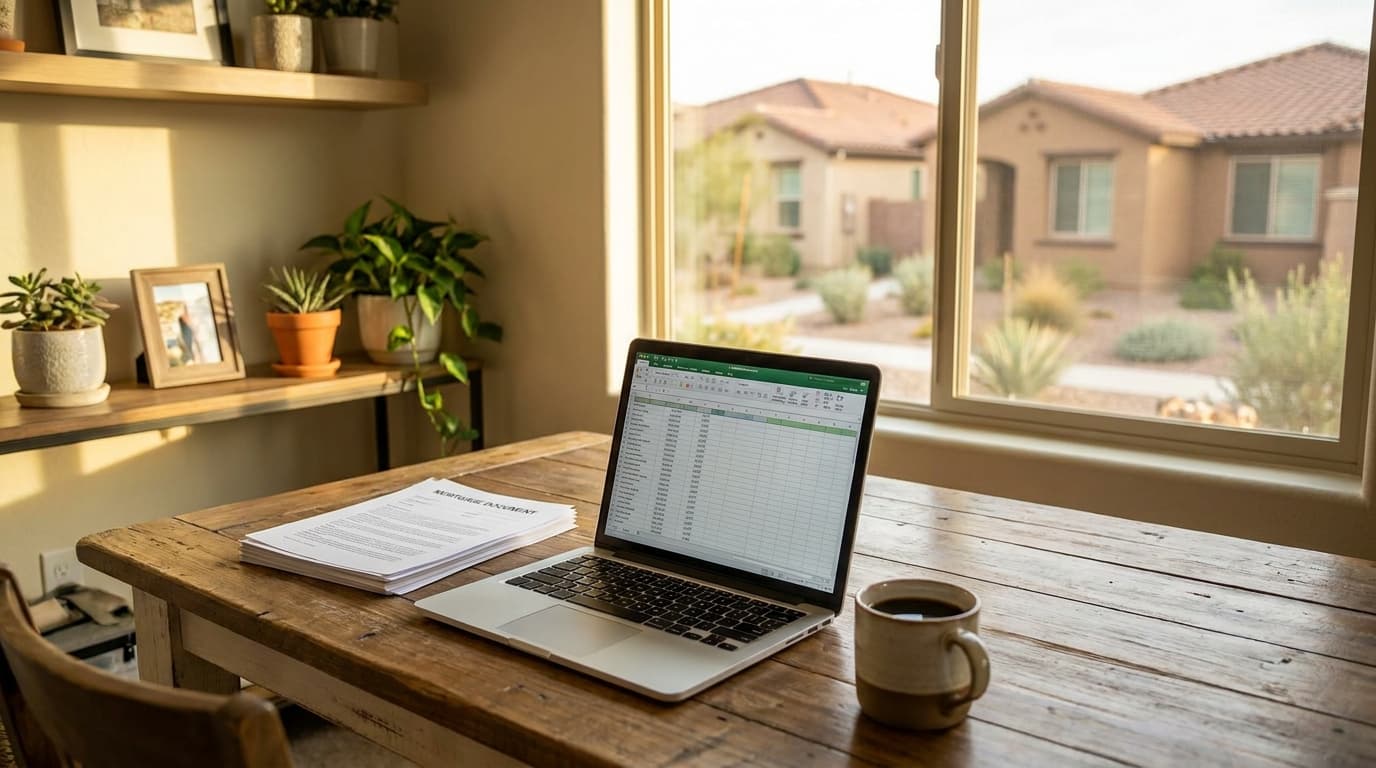
Your closing disclosure, often called the CD, is the five page form that shows the final numbers on your loan and your home purchase. By law you get it at least three business days before you sign, and as of October 2026 that three day rule is still firmly in place. The single most important thing to do is set it next to your loan estimate and compare them line by line before you ever sit down to sign.
I'm Scott Sweeney with M&M Real Estate here in Elk Grove. I walk buyers through this document all the time. It's not as scary as it looks once you know what each section is actually telling you. Let's go through it.
What is a closing disclosure and why does it matter?
A closing disclosure is the official five page document your lender sends that lays out your final loan terms, your monthly payment, and every dollar of cash you need to bring to closing. It matters because it's the last checkpoint before you're legally committed. Everything you agreed to along the way shows up here in its final form.
For most home loans in 2026, the CD replaced the old HUD-1 settlement statement. In California you might still see a separate estimated settlement statement from your escrow company, but the CD is the federal form that governs. Think of it as the receipt for the biggest purchase of your life. You want to read the whole thing.
When do I get my closing disclosure and what is the three day rule?
You get your closing disclosure at least three business days before you sign your final loan documents, and that's the three day rule in a nutshell. The clock is meant to give you time to read, ask questions, and catch anything that looks off.
In a normal Elk Grove escrow in 2026, your lender issues the CD about three to five days before your signing appointment. With median days on market sitting around 42 to 55 right now, closings feel a little calmer than they did in the frenzy of a couple years back. That extra breathing room is a good thing. Use it. If something on the CD is wrong, this is your window to fix it without drama.
Only three changes restart that three day clock. An APR increase beyond tolerance, a change in your loan product, or a new prepayment penalty. Small stuff like a tweak to your property tax proration won't reset anything, so most of my buyers sign right on schedule.
How do I read page one of the closing disclosure?
Page one is your summary page, and it answers the three questions you care about most: what's my loan, what's my payment, and how much cash do I need. Read it first, then dig into the detail pages behind it.
At the top you'll see the loan terms. Loan amount, interest rate, and monthly principal and interest. Check the rate against what you locked. For context, the week of October 8, 2026, Freddie Mac reported the 30 year fixed at about 7.40 percent and the 15 year at about 6.73 percent, as national averages for a strong borrower. Those are up a touch, the 30 year rose about 0.12 points that week. Your actual rate depends on your credit, down payment, loan type, and the day you locked, so your CD number is the one that counts.
Below that is the projected payments box with your full monthly payment including taxes and insurance. Then the costs at closing box, which shows your total closing costs and your cash to close. If that cash to close number surprises you, stop and call me or your lender before signing.
What is on pages two and three of the closing disclosure?
Pages two and three break down every cost in detail, split between loan costs and other costs. This is where you compare line by line against your loan estimate.
Page two has two columns worth watching. Section A is origination charges, including any points you chose to buy. Section B is services you couldn't shop for, like the appraisal. Section C is services you could shop for, like title. If you used a lender credit or a seller credit to buy down your rate, you'll see that reflected here too. Seller credits are common in our balanced 2026 market, where well priced Elk Grove homes are still closing near 100 percent of list but buyers have a bit more room to negotiate.
Page three has the calculating cash to close table on the left. It literally puts the loan estimate next to the final number and flags anything that changed. On the right is the summaries of transactions, which shows the full money flow between you and the seller, including your earnest money deposit and any prorated taxes.
What should I check line by line before I sign?
Check your name spelling, the loan amount, the interest rate, the loan term, and your total cash to close against what you were promised. Those five catch the vast majority of errors.
Here's my practical checklist I use with buyers:
- Is your legal name spelled correctly and the property address right?
- Does the interest rate match your rate lock?
- Is the loan type correct, conventional, FHA, or VA?
- Did any origination charge or point cost change from the loan estimate?
- Is your earnest money deposit credited?
- Are the property tax and HOA prorations reasonable? Elk Grove property taxes run roughly 1.1 to 1.3 percent of value plus any Mello Roos in newer Laguna Ridge and East Franklin neighborhoods.
- Is any seller credit or rate buydown you negotiated actually shown?
- Does the cash to close match what your lender told you by phone?
If you buy in a Mello Roos area, that special assessment matters for your monthly budget. I always flag it. It's one of the biggest reasons a payment in Laguna Ridge can differ from a similar priced home in an older Laguna Creek neighborhood.
What happens if there is a mistake on my closing disclosure?
If you spot a mistake, tell your lender and your escrow officer right away. Most errors are simple fixes that don't delay closing. A corrected CD gets reissued, and only the three big triggers I mentioned restart the three day wait.
I've seen a wrong earnest money credit, a missing seller concession, and a tax proration that was off by a month. All fixed in a day. The key is catching it during your review window instead of at the signing table. That's exactly why the three day rule exists. You're not being difficult by asking questions. You're doing it right.
How much cash will I actually bring to closing in Elk Grove?
Your cash to close is your down payment plus closing costs, minus your earnest money and any credits. In Elk Grove in 2026, buyer closing costs alone typically run about 2 to 5 percent of the price, separate from the down payment.
On a home near the local median of about 594,000 to 637,000, closing costs land roughly between 12,000 and 30,000 depending on your loan and whether you buy points. Add your down payment on top of that. If you want to see how the full picture pencils out for a specific home, I'm happy to run the numbers with you, and my down payment and closing cost guides for Elk Grove buyers walk through the details too.
For broader context on where prices and rates are heading, check my latest Elk Grove market update. The short version for fall 2026: this is a normalizing, balanced market with inventory up around 18 percent year over year and about 2.2 months of supply. Not a crash, not a boom. A good time to buy carefully and read your paperwork closely.
Let's go through your numbers together
The closing disclosure is the finish line, and I want you crossing it with full confidence. If you'd like someone local to sit with you and read your CD line by line, that's one of my favorite parts of this job. No pressure, just real answers.
Reach out anytime. Call my office at 916.999.9921 or my cell at 707.330.2324, or find me at SweeneySells.com. Thanks so much for reading, and let me know how I can help!
Frequently asked questions
By federal law, you must receive your closing disclosure at least three business days before you sign your final loan documents. As of October 2026 that rule still holds, and in Elk Grove it usually means your lender sends the CD about three to five days before your signing appointment so you have time to review the final numbers.
The loan estimate is the early quote you get within three business days of applying, and the closing disclosure is the final version you get about three days before signing. The two forms are laid out almost identically on purpose so you can set them side by side and compare every line.
Only three things restart the clock: the APR increases beyond tolerance, your loan product changes, or a prepayment penalty is added. As of 2026, smaller changes like a shift in your property taxes or a seller credit adjustment do not restart the three days, so most Elk Grove closings stay on schedule.
Buyer closing costs in Elk Grove typically run about 2 to 5 percent of the purchase price in 2026, separate from your down payment. On a home near the local median of about 594,000 to 637,000, that's roughly 12,000 to 30,000 depending on your loan type and whether you buy points.
For most residential purchase loans in 2026, the closing disclosure replaced the old HUD-1 settlement statement. You may still see a separate estimated settlement statement from the title or escrow company in California, but your CD is the binding federal form your lender provides.
I help buyers, sellers, and investors across Elk Grove and the greater Sacramento area. Thinking about a move? Let us talk about your goals, no pressure.