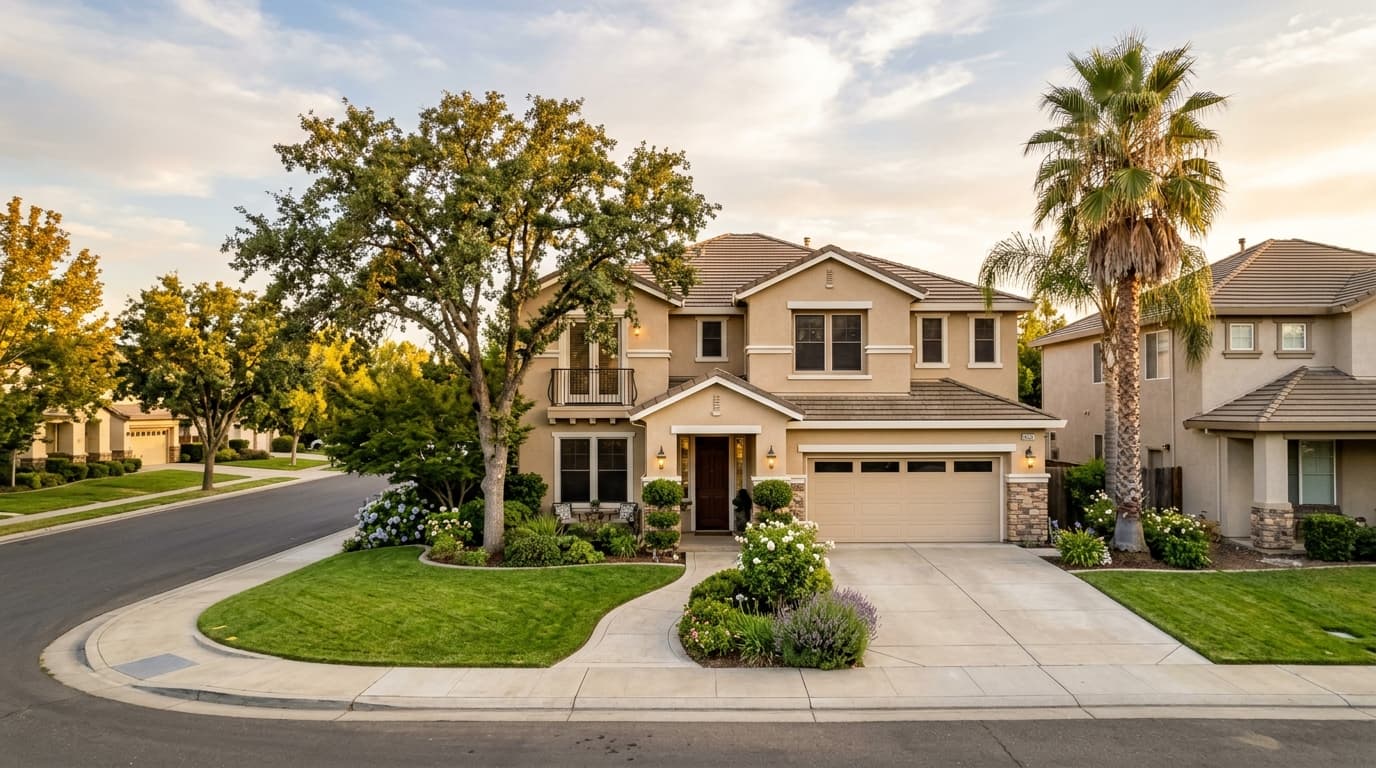

What Does Escrow Actually Do With Your Money? An Elk Grove Buyer's Guide (2026)
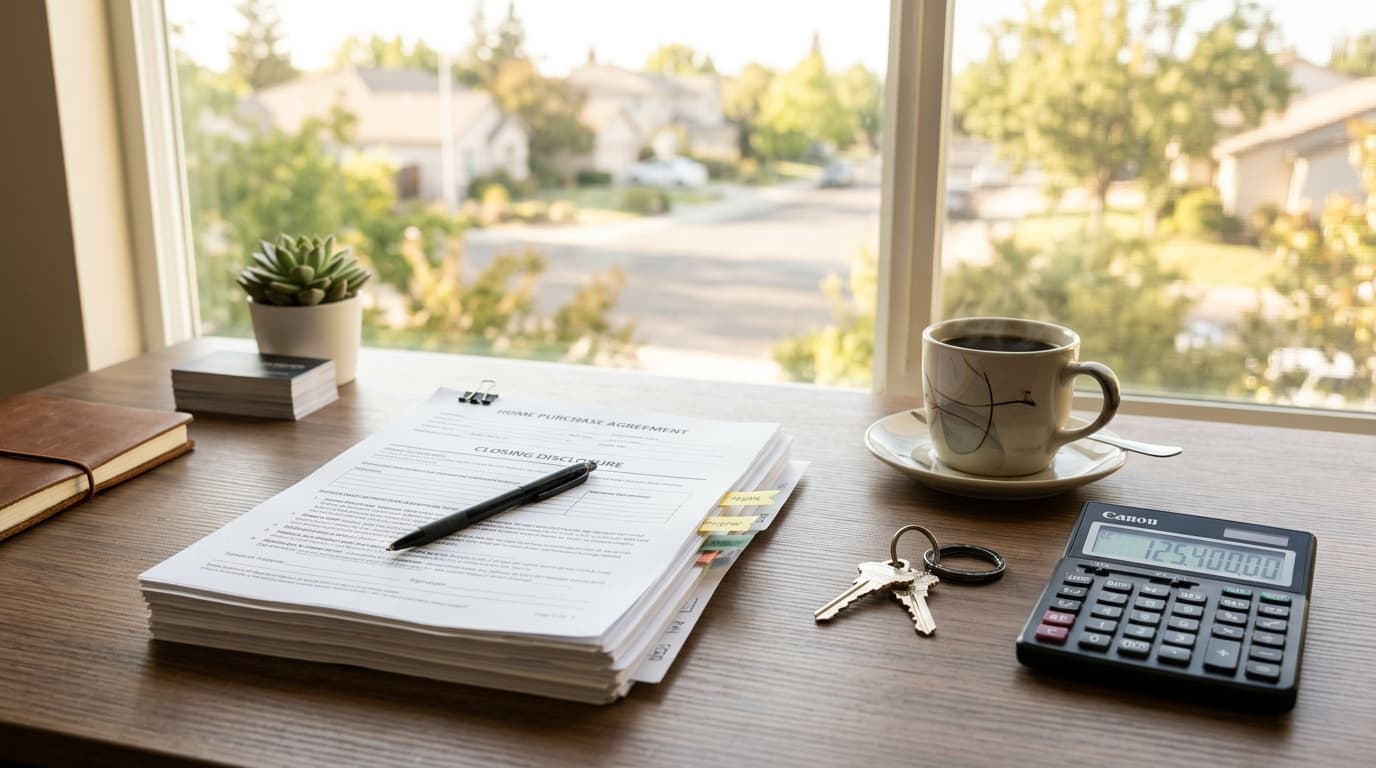
If you're buying in Elk Grove right now, you're about to hand a stranger thousands of dollars. That stranger is the escrow company, and here's the short answer. As of November 2026, an escrow holder keeps your earnest money and down payment in a neutral trust account, never spends it, and only releases it when every condition in your contract is met. On a home near the Elk Grove median of about 594,000 to 637,000, that's real money sitting safely in the middle while both sides do their jobs.
I'm Scott Sweeney with M&M Real Estate here in Elk Grove. I've walked a lot of buyers through this exact worry. Let me explain what escrow actually does, step by step.
What does escrow actually do with your money?
Escrow holds your money so neither you nor the seller can touch it until the deal is done right. It's a neutral third party. That's the whole point.
Here's the flow. You go into contract. Within a few days you deposit earnest money, usually about 1 to 3 percent of the price, directly to escrow. In 2026 Elk Grove terms that's roughly 6,000 to 19,000 on a median priced home. That money does not go to the seller. It sits in a trust account.
Closer to closing, you wire your down payment and closing costs to that same account. Your lender wires the loan funds there too. Escrow collects everything in one place. Then, only when the contract conditions are satisfied and the deed records, escrow pays everyone out. The seller's old loan gets paid off. Property taxes get prorated. Agents, title and county fees get paid. The seller gets their net proceeds. You get the keys.
Nothing moves early. Nothing moves without both sides agreeing or the contract calling for it. That's what you're paying for.
Who is the escrow officer and what do they do?
The escrow officer is the neutral person managing the file, and they follow written instructions, not favorites. They don't represent you and they don't represent the seller. They represent the instructions in your contract.
Day to day, the escrow officer opens the file, orders the preliminary title report, collects signatures, tracks deadlines, and makes sure every number lines up before closing. They prepare the settlement statement that shows exactly where every dollar goes. If the numbers don't balance to the penny, escrow doesn't close. I like that. It keeps everyone honest.
A good escrow officer is quietly one of the most important people in your transaction. When I've got a sharp local one on a file, closings in Elk Grove just run smoother. If you want the bigger picture of how all the players fit together, my step by step Elk Grove escrow timeline guide walks through it day by day.
Is the escrow company the same as the title company?
No, escrow and title are two different jobs that often sit under the same roof in California. People mix them up constantly, so this matters.
Title's job is to research the history of the property. They confirm the seller actually owns it free of surprises, check for liens, old loans, judgments, easements, and anything that could cloud your ownership. Then they issue title insurance, which protects you if a problem surfaces after you close.
Escrow's job is to hold the money and the documents and carry out the instructions. Title answers "is this property clean to sell." Escrow answers "did everyone do what the contract says before money and keys change hands." In our market they frequently work together in the same company, which is convenient, but they're still distinct roles.
When do I put money into escrow and when does it come out?
You typically fund escrow twice, first your earnest money, then your cash to close, and the money comes out only at recording. Timing trips up a lot of first time buyers.
Here's the usual Elk Grove sequence in 2026. First, within about three days of acceptance, your earnest money goes in. Second, during escrow you pay for inspections and the appraisal directly, those aren't escrow deposits. Third, a day or two before closing, escrow tells you the exact final figure and you wire your down payment and closing costs. Fourth, your loan funds arrive. Fifth, the county records the deed. That's the moment ownership transfers and escrow disburses everyone.
Most financed Elk Grove sales run about 21 to 30 days start to finish as of November 2026. Cash can move faster. Your lender and your appraisal usually set the real pace. With the 30 year fixed at 7.24 percent for the week of October 29, 2026, down about 0.08 from the prior week per Freddie Mac via FRED, more buyers are watching rates closely and timing their lock to closing. Just remember that 7.24 percent is a national average for a strong borrower, not your personal quote. Yours depends on credit, down payment, loan type and the day.
Can I get my earnest money back if the deal falls through?
Yes, if you cancel while a contingency is still active, your earnest money is generally refundable, and escrow releases it only after both sides sign cancellation. This is the question I get most, so let's be clear.
Your California purchase contract gives you contingency windows. The big three are inspection, appraisal and loan. If something inside those windows gives you a reason to walk, you cancel properly and your deposit comes back. Escrow can't just hand your money to the seller because they're upset, and they can't hand it back to you without the seller's signature either. Both parties sign cancellation instructions, then escrow releases the funds. That mutual sign off is exactly why the neutral third party exists.
Where buyers get in trouble is waiving contingencies without understanding the risk, or blowing past a deadline. In a balanced 2026 Elk Grove market, with days on market around 42 to 55 and roughly 2.2 months of supply, you usually don't need to waive your protections to win. I'd rather help you write a strong offer that keeps your deposit protected. My guide on the contingencies that protect Elk Grove buyers digs into this.
How much does escrow cost in Elk Grove and who pays?
Escrow fees in the Sacramento area are commonly split between buyer and seller, and they're negotiable. The cost is usually a modest slice of your total closing costs.
As of late 2026, a typical escrow fee runs a few hundred dollars to around a thousand per side, scaling with the sale price. Title insurance is separate and larger. Add in county recording fees, loan fees, prepaids and prorated taxes, and your full buyer closing costs land in a broader range. The point is that escrow's own fee is rarely the big number, it's just the line people notice because it's a new word. If you want the full itemized picture, I keep a buyer closing cost breakdown for Elk Grove that lays out each line.
Why this matters more in a balanced market
We're in a normalizing Elk Grove market, not a crash and not a boom. Inventory is up about 18 percent year over year, well priced homes still close near 100 percent of list, and prices are forecast to move about 2 to 4 percent over the year. Nearby for comparison, Fair Oaks sits around 627,000, Rancho Cordova around 547,000, Anatolia near 629,000, and Wilton up around 945,000, all approximate for 2026.
In a market like this you have more room to negotiate and more time to do your homework. That makes understanding escrow genuinely useful. You'll know what your deposit is doing, when your cash is due, and how your money stays protected the whole way through. Elk Grove is served by the Elk Grove Unified School District, and a lot of my buyers are juggling school boundaries, commute times and budget all at once. Knowing the money side runs on rails lets you focus on the home.
Let's talk
If you're getting ready to buy in Elk Grove and escrow feels like a black box, let me walk you through it with your actual numbers. No pressure, just a real local conversation. You can reach my office at 916.999.9921 or my cell at 707.330.2324, or find me at SweeneySells.com. I'd love to help. Let me know!
Frequently asked questions
As of November 2026, an escrow company holds your earnest money and your down payment in a neutral trust account, then disburses everything only when every contract condition is met. It pays off the seller's loan, covers taxes and fees, and wires the seller their proceeds, all at the end.
In November 2026, Elk Grove earnest money usually runs about 1 to 3 percent of the price. On a home near the local median of about 594,000 to 637,000, that's roughly 6,000 to 19,000 held in escrow, not paid to the seller.
In the Sacramento area, escrow fees are commonly split between buyer and seller, though it's negotiable. As of late 2026, a typical total escrow fee runs a few hundred to about a thousand dollars per side depending on price.
Most financed Elk Grove sales close in about 21 to 30 days as of November 2026, and cash can close faster. Your timeline depends on your lender, appraisal and how quickly conditions clear.
Yes, if you cancel inside an active contingency, your earnest money is generally refundable, and escrow releases it once both parties sign cancellation instructions. In 2026 Elk Grove contracts the main windows are inspection, appraisal and loan.
They're separate roles that often work under one roof. Escrow holds the money and documents, while title research ownership and issues the title insurance policy that protects you as of your 2026 closing date.
I help buyers, sellers, and investors across Elk Grove and the greater Sacramento area. Thinking about a move? Let us talk about your goals, no pressure.