
Seller Disclosure Requirements in California: What You Must Disclose Selling an Elk Grove Home (2026)
As of October 2026, California law requires you to disclose everything you know that could materially affect the value or desirability of your home. For Elk Grove sellers that means filling out the Transfer Disclosure Statement, the Seller Property Questionnaire, and the Natural Hazard Disclosure, plus a few extras depending on your home. Here's the honest version. Disclosing is your friend. It's the single best protection you have against a lawsuit down the road.
I've listed a lot of homes across Laguna Creek, Stonelake, Franklin Reserve, and Laguna Ridge. Disclosures trip up more sellers than almost anything else. Let me walk you through what California actually requires and what happens if you skip it.
What does California require a home seller to disclose?
California requires you to disclose all known material facts about your property's condition and history. A material fact is anything that could affect what a buyer would pay or whether they'd buy at all.
The big three forms are the Transfer Disclosure Statement, the Seller Property Questionnaire, and the Natural Hazard Disclosure. The TDS is the state mandated form that walks through your home system by system. The SPQ is a California Association of Realtors form that digs deeper into repairs, insurance claims, neighborhood issues, and anything you've noticed over the years. The NHD tells the buyer if your home sits in a flood zone, fire zone, earthquake fault zone, or similar hazard area.
The golden rule is simple. If you know it, you disclose it. You're not expected to be a home inspector. You are expected to be honest about what you've seen, fixed, or been told.
What is the Transfer Disclosure Statement (TDS) in California?
The Transfer Disclosure Statement is the mandatory California form where you check off which systems and features your home has and flag anything that's defective or not working. It covers the roof, plumbing, electrical, heating and air, foundation, appliances that stay, and more.
The TDS also asks about things like additions or remodels done without permits, drainage or grading issues, and settling or soil problems. Lots of Elk Grove homes have added a patio cover, converted a garage, or dropped in solar. If any work was done without proper permits, that belongs on the TDS. I'd rather disclose it up front than have it surface during the buyer's inspection and blow up the deal.
The TDS is legally required for almost every residential sale of one to four units. There are a few narrow exemptions, like certain trust or probate sales, but most everyday sellers must complete it.
What is the SPQ and the SBSA?
The Seller Property Questionnaire, or SPQ, is a detailed California form that goes beyond the TDS and asks about repairs, insurance claims, pests, neighbor disputes, and more. The SBSA, or Supplemental Statutory and Contractual Disclosures, covers additional required items like known issues with smoke detectors, water heater bracing, and carbon monoxide detectors.
I always have my sellers complete the SPQ even though it technically isn't state mandated like the TDS. Why? Because it's where you document the little things. A roof leak you patched in 2021. A fence line disagreement with a neighbor. A past insurance claim. Writing it down protects you. An undisclosed problem is a lawsuit waiting to happen. A disclosed one is just a known fact the buyer accepted.
Do I have to disclose a death on the property?
Yes, if a death occurred on the property within the last three years, you must disclose it, as of October 2026. This is one of the more surprising California rules.
Deaths older than three years generally do not require disclosure. The one exception people forget is that you cannot lie. If a buyer directly asks whether anyone ever died in the home, you have to answer truthfully regardless of when it happened. Deaths from HIV or AIDS are treated specially under California law and are not a required disclosure. When in doubt, I tell sellers to disclose. Honesty almost never costs you a deal, but a cover up can cost you the house and then some.
Do I still have to disclose if I sell as is?
Yes. Selling as is in Elk Grove means you won't make repairs, but you still must disclose every known material defect, as of October 2026. As is limits your repair obligations. It does not erase your disclosure obligations.
This is probably the biggest misunderstanding I see. Sellers think as is means they can stay quiet about problems. It doesn't. You can refuse to fix the cracked slab, but you still have to tell the buyer the slab is cracked. If you want the full picture on this, I've written a separate piece on selling a house as is in Elk Grove and what it really means for both sides.
What about natural hazards, Mello Roos, and HOA documents?
You must provide a Natural Hazard Disclosure report that flags flood, fire, and seismic zones, and you must disclose special tax assessments like Mello Roos. If your home is in an HOA, you also owe the buyer the governing documents and financials.
In newer parts of Elk Grove, Mello Roos is a real line item buyers watch closely. I've covered that in detail in my Mello Roos post, because it's a tax line buyers forget to check and sellers forget to disclose. For HOA homes in places like Stonelake or Laguna West, you'll need the CC&Rs, bylaws, budget, reserve study, and recent meeting minutes. Order these early. They take time and can hold up your close.
What happens if a seller fails to disclose in California?
If you knew about a material defect and hid it, a buyer can sue you after closing for repair costs, lost value, and sometimes additional damages. As of October 2026, these claims can surface years after the sale.
Here's the practical risk. Say you knew the HVAC never cooled the back bedrooms and you left it off the TDS. The buyer finds out in July and traces it back to you. Now you're looking at the repair cost, legal fees, and a lot of stress. Compare that to one honest sentence on a form. The math isn't close. Disclosure is cheap. Nondisclosure is expensive.
The flip side is reassuring. When you disclose a known issue and the buyer signs off, they've accepted it. You've closed the door on that claim. That's the whole point. Good disclosures are armor, not exposure.
When should I do my disclosures in the selling process?
Get your disclosures done before you even go live, or right as you list. Under a standard 2026 California contract, buyers usually have about a 17 day investigation and disclosure contingency, and that clock runs smoother when your paperwork is ready.
In today's Elk Grove market, timing matters. Homes are taking about 42 to 55 days on market right now, up from roughly 21 to 31 a year ago, with around 2.2 months of supply. Well priced homes still close near 100 percent of list. The last thing you want is a disclosure delay stalling your deal when you've finally got a buyer. I like to have everything prepared and reviewed up front so we move fast when an offer lands.
A quick word on the current market
Elk Grove's median sale price is running about 594,000 to 637,000 as of fall 2026, with some monthly closes near 686,000. It's a balanced, normalizing market, not a crash and not a boom. Prices are forecast to move about 2 to 4 percent over the year. The strongest selling windows are April to June and September to October. If you're weighing timing, my Elk Grove market update walks through the latest numbers, and my home value post explains how local pricing really works.
For comparison if you're cross shopping nearby areas, Fair Oaks is around 627,000, Rancho Cordova about 547,000, Anatolia about 629,000, and Wilton about 945,000. Same disclosure rules apply across all of them. California law doesn't change by zip code.
Let's get your disclosures right
Disclosures feel intimidating, but they don't have to be. I'll walk you through every form, help you document what matters, and make sure your sale is protected from day one. No pressure, just a straight conversation about your home and your timing.
Reach out anytime. You can call my office at 916.999.9921 or my cell at 707.330.2324, or find more local guides at SweeneySells.com. I'm with M&M Real Estate at 9468 Laguna Creek Dr, Elk Grove, CA 95624. Looking forward to helping. Let me know!
Frequently asked questions
As of October 2026, the core California seller disclosure forms are the Transfer Disclosure Statement (TDS), the Seller Property Questionnaire (SPQ), and the Natural Hazard Disclosure (NHD). Most Elk Grove sellers also provide a lead based paint disclosure for homes built before 1978, plus any local and HOA documents.
In California you must disclose a death on the property if it happened within the last three years, as of October 2026. Deaths older than three years generally do not need to be disclosed, though you cannot lie if a buyer directly asks.
No. Selling as is in Elk Grove means you won't make repairs, but as of October 2026 you still must disclose every known material defect. As is limits your repair obligations, not your disclosure obligations.
A buyer who proves you knew about a material defect and hid it can sue for repair costs, loss of value, and sometimes more. As of October 2026 these claims can surface years after closing, which is why honest, written disclosure protects you.
Under a standard California purchase agreement in 2026, buyers typically have a disclosure and investigation contingency of about 17 days, though it's negotiable. Getting your disclosures done early keeps that clock from stalling your sale.
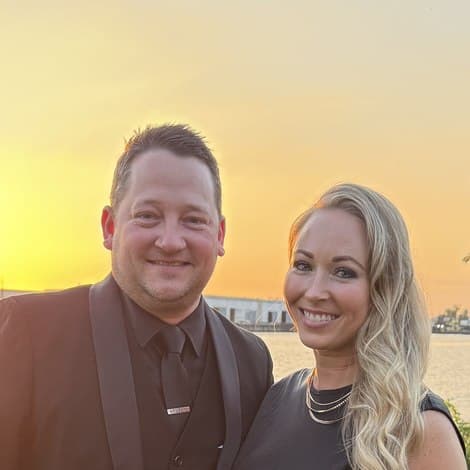
I help buyers, sellers, and investors across Elk Grove and the greater Sacramento area. Thinking about a move? Let us talk about your goals, no pressure.