
Rent Back After Closing in Elk Grove: How a Seller Leaseback Works
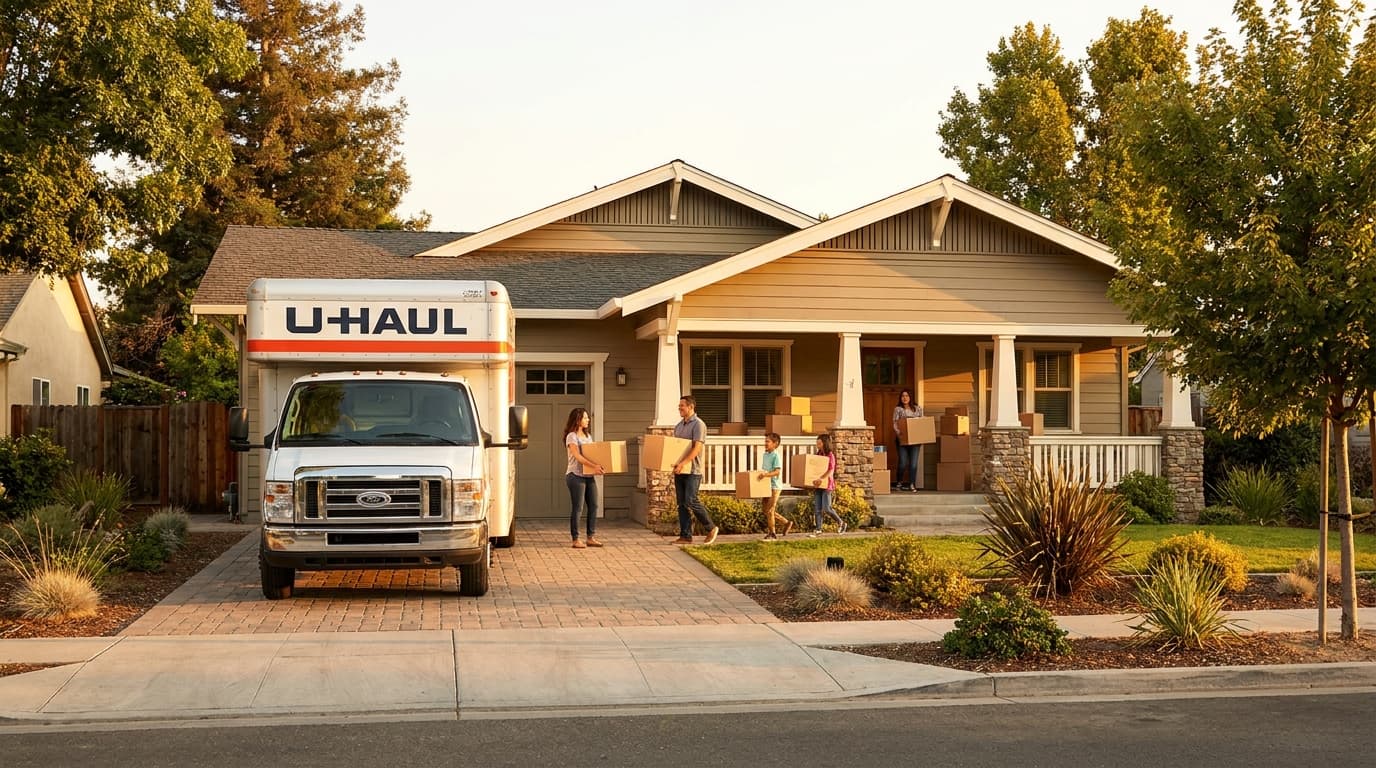
One of the most useful tools I use to bridge the gap between selling and moving is the seller leaseback, also called a rent back. If you are selling a home in Elk Grove and you are worried about closing on the sale before your next place is ready, this can be the piece that makes everything line up. Let me walk you through how it works and when it makes sense.
What a rent back actually is
A rent back is a short term agreement that lets the seller stay in the home for a set period after the sale closes and the buyer officially owns it. Ownership transfers on the closing date, but the seller keeps possession for the agreed number of days. In exchange, the seller typically pays the buyer a daily amount and follows terms written into a possession agreement.
Think of it as a way to buy yourself time. You get your sale proceeds and certainty that the deal is done, while still having a roof over your head for a few more days or weeks.
Why sellers in Elk Grove use it
The most common reason is timing. Many of my Elk Grove clients are selling one home and buying another, and the two closings rarely land on the same perfect day. A rent back removes the pressure of moving twice or renting a storage unit and a short term apartment.
It also helps sellers who need proceeds from the sale to close on their next purchase. You cannot always coordinate both transactions to the hour, so a short rent back gives you breathing room to move funds, pack, and hand off the keys without chaos.
Why buyers agree to it
In a competitive Elk Grove market, offering a flexible rent back can help a buyer win. When two offers are close, the seller often chooses the one that makes their life easier. A buyer who says the seller can stay for 30 days after closing at no cost is offering real value beyond price.
Buyers who are not in a rush to move, maybe they are in a lease that runs a bit longer, can use this as leverage without spending an extra dollar.
The terms to nail down
A good rent back agreement covers a few key points. First is the daily rate. Often it is set to match the buyer's daily cost of owning, which includes the mortgage payment, property taxes, and insurance divided across the month. Second is the length. Keep it under 60 days when possible, because longer periods can trigger different lender rules and insurance concerns.
Third is a security deposit and a walk through plan so the buyer knows the home will be handed over in the agreed condition. Fourth is who handles utilities, yard care, and any repairs during the rent back window. Put all of it in writing. A handshake is not a plan.
Where this can go wrong
The biggest risk for a buyer is a seller who will not leave on time. That is rare, but the agreement should include a daily penalty for holdover and clear language about the buyer's rights. For sellers, the risk is damaging your credibility or the home during the stay, so treat it like the buyer's property, because it is.
Insurance is another detail people miss. Once the buyer owns the home, their policy is in place, but the seller should keep a renters style policy for their belongings during the rent back. I always flag this so nobody is caught off guard.
My take for the Sacramento region
Rent backs are a quiet advantage when the market is balanced, like we are seeing across Elk Grove and Sacramento this year. Sellers get flexibility, buyers get a competitive edge, and the whole transaction feels less rushed. The key is a clear written agreement and a realtor who thinks through the timing before you sign anything.
If you are planning to sell and you are nervous about where you will land next, let's talk through whether a rent back fits your move.
Frequently asked questions
Most rent backs run from a few days up to 60 days. If a seller needs to stay longer than 60 days, lenders start treating the property differently, so short term is the norm.
Terms are negotiable. Sometimes the seller pays the buyer daily rent equal to the buyer's carrying costs, and sometimes the buyer offers free occupancy as an incentive to win the deal. It depends on the market and how competitive the offer needs to be.
It is a short term possession agreement, not a standard lease. California has a common form for it, and it should spell out the daily rate, security deposit, condition at handover, and who covers utilities and repairs.
Usually yes for a short period, but owner occupancy rules apply. FHA and VA buyers generally need to occupy within 60 days, so keep the rent back inside that window and confirm with your lender.

I help buyers, sellers, and investors across Elk Grove and the greater Sacramento area. Thinking about a move? Let us talk about your goals, no pressure.