
Elk Grove HOA Communities: What to Know Before You Buy in 2026
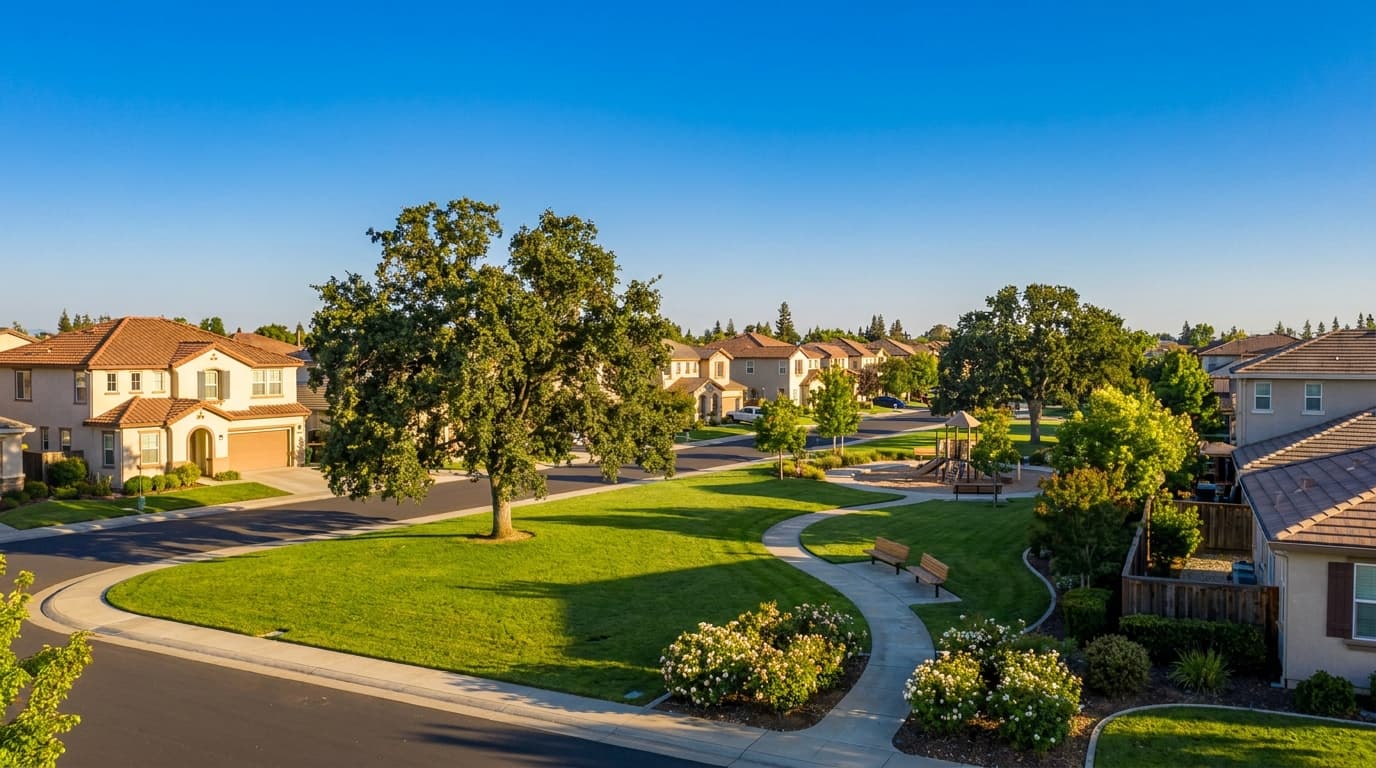
If you are shopping for a home in Elk Grove this summer, there is a good chance a lot of the homes you like sit inside an HOA community. From Laguna West and Laguna Ridge to the newer neighborhoods out in the southeast, homeowners associations are common here. They can be a real asset for keeping a neighborhood looking sharp, but they also come with rules, dues, and financial details you want to understand before you commit.
After years of helping buyers in Elk Grove, I can tell you the folks who are happiest with their HOA are the ones who did their homework up front. So let me walk you through what to look at.
Know what you are paying and what it covers
The first question everyone asks is how much are the dues. In most standard Elk Grove neighborhoods you will see monthly fees in the range of 50 to 150 dollars. Communities with pools, clubhouses, gyms, or gated entries can run higher, and condo and townhome projects often charge more because the association handles exterior upkeep.
The dollar amount matters less than what you get for it. Ask for the current budget and see exactly what the dues cover. In some communities it is just the entry monuments and a small greenbelt. In others it includes maintained parks, walking trails, a community pool, and even front yard landscaping. A higher fee that covers real amenities can be a good value. A modest fee for very little may still be worth watching.
Read the CC&Rs before you fall in love
Every HOA has covenants, conditions, and restrictions, usually called the CC&Rs. This document spells out what you can and cannot do with your property. It covers things like exterior paint colors, fencing, RV and boat parking, satellite dishes, backyard sheds, and even what you can leave in your driveway.
None of this is good or bad on its own. The point is to make sure the rules match how you actually want to live. If you own a work truck, tow a trailer, or dream of a bold front door color, read those sections carefully so there are no surprises.
Check the financial health of the association
This is the part buyers skip most often, and it is the one that can cost you. Ask for the reserve study and the most recent budget. The reserve fund is the savings account the HOA uses for big future repairs like resurfacing a pool, repaving private roads, or replacing a clubhouse roof.
A well funded reserve means the community is prepared. A thin reserve can lead to a special assessment, which is a one time charge to every owner to cover a shortfall. I always review the meeting minutes too, because that is where you spot rising costs, deferred maintenance, or any pending litigation before it becomes your problem.
Think about resale and rentals
A healthy, attractive HOA community usually helps your home hold value, since buyers see well kept common areas and consistent curb appeal. That is a genuine plus in Elk Grove. If you might rent the home later, confirm the rental policy. Some associations cap the number of rentals or set minimum lease terms, and short term rentals are often not allowed.
How I help my buyers here
During escrow you will receive a full HOA disclosure packet, but that arrives after you are in contract. When we tour homes I encourage buyers to ask about the HOA early so we can request key documents before writing an offer whenever possible. In this July 2026 market, where good homes still move quickly, knowing the HOA details in advance lets you make a confident, competitive offer instead of scrambling later.
An HOA is not something to fear. For many of my clients it is exactly the kind of stable, well maintained community they wanted. The goal is simply to buy with eyes wide open. If you want help evaluating a specific Elk Grove community, reach out and I will walk the numbers and the rules with you.
Frequently asked questions
Most standard Elk Grove neighborhoods have monthly fees in the range of 50 to 150 dollars. Communities with pools, clubhouses, gyms, or gated entries can run higher, and condo or townhome projects often charge more because the association handles exterior upkeep. What matters most is what the dues actually cover, so ask for the current budget to see exactly what you are paying for.
CC&Rs are the covenants, conditions, and restrictions that spell out what you can and cannot do with your property. They cover things like exterior paint colors, fencing, RV and boat parking, satellite dishes, backyard sheds, and what you can leave in your driveway. Read them before you commit so the rules match how you actually want to live, especially if you own a work truck, tow a trailer, or want a bold front door color.
Ask for the reserve study and the most recent budget. The reserve fund is the savings the HOA uses for big future repairs like resurfacing a pool, repaving private roads, or replacing a roof. A well funded reserve means the community is prepared, while a thin reserve can lead to a special assessment, which is a one time charge to every owner. Reviewing meeting minutes also helps you spot rising costs, deferred maintenance, or pending litigation.
It depends on the association. Some HOAs cap the number of rentals or set minimum lease terms, and short term rentals are often not allowed. If you might rent the home later, confirm the rental policy before you buy so there are no surprises.

I help buyers, sellers, and investors across Elk Grove and the greater Sacramento area. Thinking about a move? Let us talk about your goals, no pressure.