
How Much Cash Reserves Do You Really Need to Buy a Home in Elk Grove?
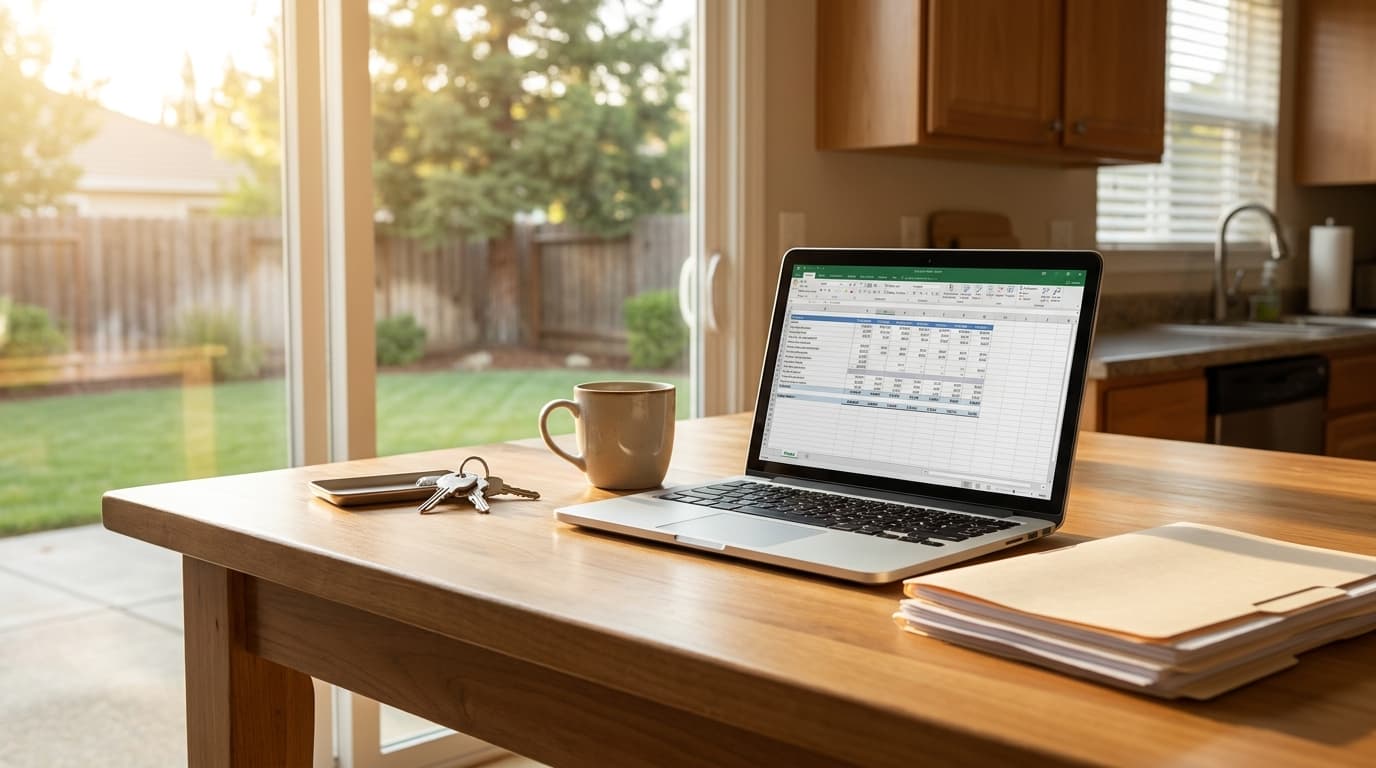
When people ask me how much money they need to buy a home in Elk Grove, almost everyone thinks first about the down payment. That is important, but it is only part of the picture. The piece buyers overlook most often is cash reserves, and it can quietly determine whether your loan gets approved.
Let me walk you through what reserves actually are and how much you truly need in our market this year.
What cash reserves really mean
Reserves are the money you have left in the bank after you close. Your down payment and closing costs leave your account on closing day. Whatever remains that could cover your future mortgage payments is what lenders count as reserves.
Lenders measure reserves in months of housing payment. One month of reserves means you have enough left to make one full mortgage payment, including principal, interest, taxes, insurance, and any HOA dues. Two months means two payments, and so on.
The reason lenders care is simple. They want confidence that if your car breaks down or your hours get cut, you can still pay the mortgage.
How much you need by loan type
Here is the practical breakdown for buyers in Elk Grove and the greater Sacramento area.
Conventional loans on a primary home often require zero to two months of reserves. Many buyers with strong credit and steady income need none at all, but a lender may ask for some if your credit score is lower or your debt to income ratio is tight.
FHA loans are generally forgiving on reserves for a single family primary residence, which is one reason they work so well for first time buyers here.
VA loans usually have no reserve requirement for a primary home, though buying a larger property with multiple units can change that.
Investment property is where it gets serious. If you are buying a rental in Elk Grove or Galt, plan on six months or more of reserves per property. Lenders treat rentals as higher risk.
Why I tell buyers to keep a cushion anyway
Even when your loan does not require reserves, I strongly encourage buyers to keep a cushion. Owning a home in Elk Grove comes with costs that rent never did. A water heater fails, the HVAC needs service before our hot Central Valley summers, or the property tax bill arrives and catches you off guard.
I usually suggest keeping three to six months of total living expenses set aside after you close, separate from the money you spend to buy the home. It turns homeownership from stressful into steady.
How to free up cash for reserves
If your savings feel stretched, do not give up on buying. There are smart ways to keep more cash in your pocket.
Seller credits can cover a chunk of your closing costs, which leaves your own money intact. In a balanced market like the one we have this year, sellers are often willing to negotiate credits.
Down payment assistance programs across the Sacramento region can reduce what you bring to the table, freeing up funds that then sit as reserves.
Gift funds from family are commonly allowed for primary residences with proper documentation. If a relative is helping, loop in your lender early so the paper trail is clean.
A good loan structure matters as much as the loan itself. When I sit down with buyers, we look at the whole plan, not just the down payment, so you land in your new home with breathing room instead of an empty account.
If you want help mapping out the real numbers for your situation, reach out. I am happy to connect you with local lenders I trust and build a plan that fits your budget.
Frequently asked questions
Most conventional loans on a primary residence ask for zero to two months of reserves, meaning enough to cover two mortgage payments after closing. FHA and VA are often flexible with little to no reserve requirement, while investment properties usually require six months or more.
No. Your down payment and closing costs leave your account at closing. Reserves are the money you have left over afterward. Lenders want proof you can keep paying your mortgage if something unexpected comes up.
Often yes for primary residences, though the rules vary by loan type and lender. You will need a documented gift letter and a clear paper trail, so talk to your lender before moving money around.
You still have options. FHA and VA loans are forgiving, seller credits can cover closing costs, and down payment assistance programs in the Sacramento area can free up your own cash. A good lender will structure the deal to fit your situation.
I help buyers, sellers, and investors across Elk Grove and the greater Sacramento area. Thinking about a move? Let us talk about your goals, no pressure.