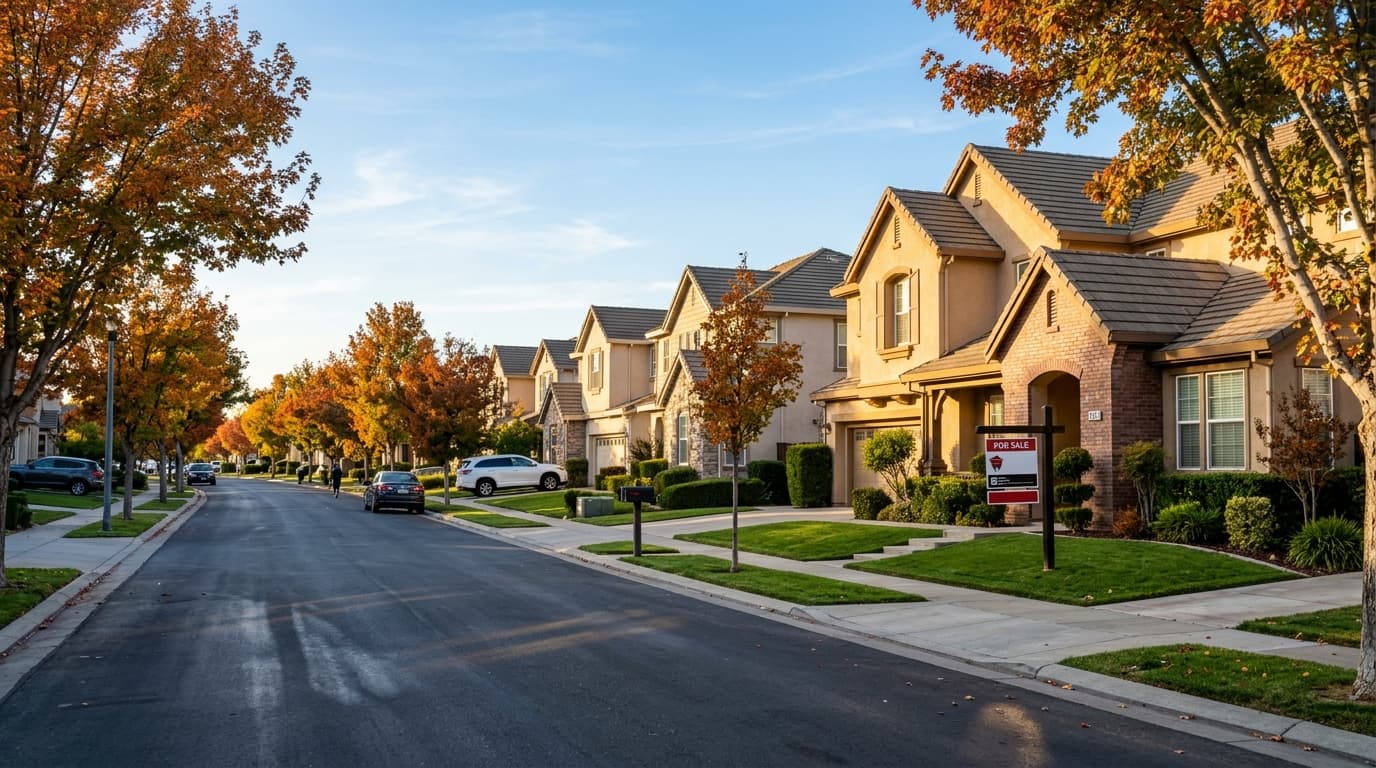

1031 Exchange California Rules: The Clock, the Traps and the Math for Elk Grove Investors (2026)
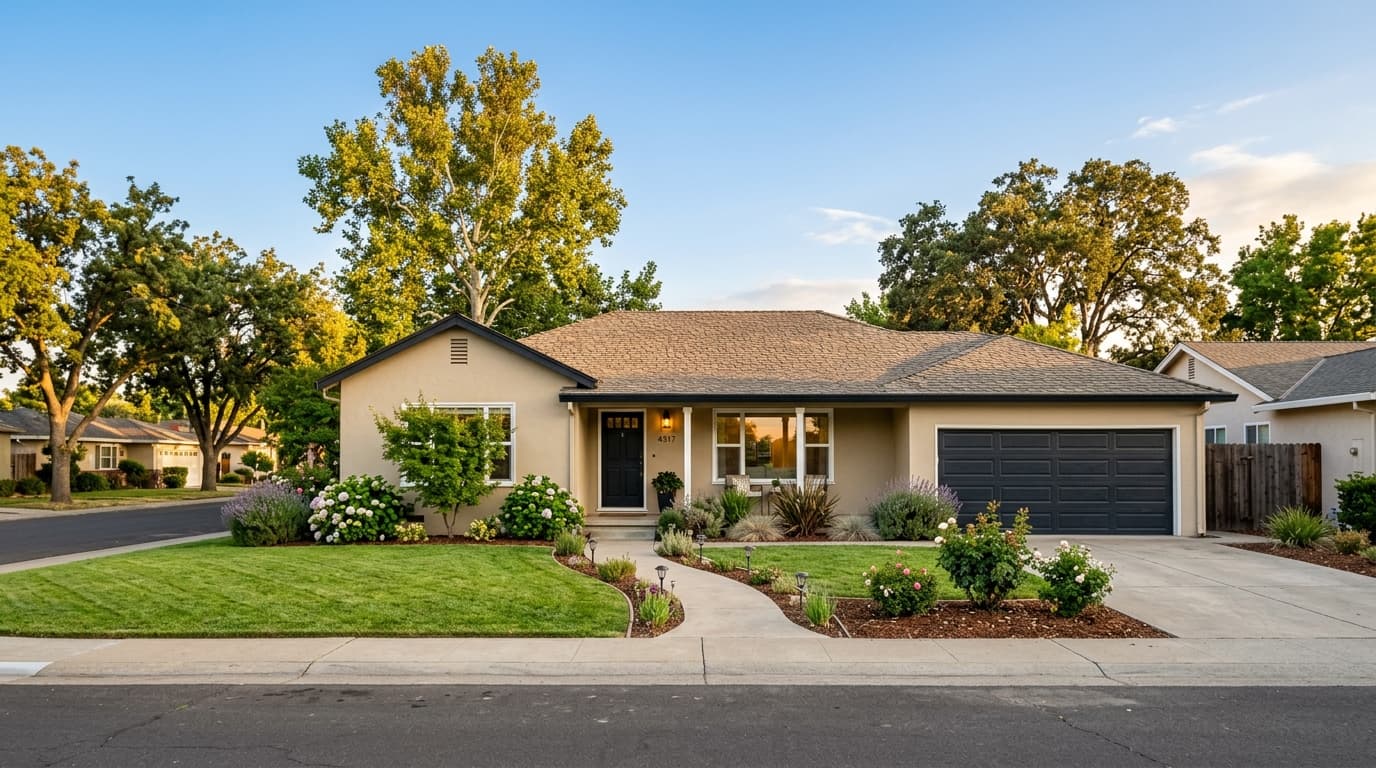
Here's the short version. A 1031 exchange lets you sell an investment property and roll the gain into another one without paying capital gains tax right away, as long as you follow the federal rules California adopts. As of November 2026, the two clocks you cannot miss are 45 days to identify a replacement and 180 days to close. And California adds its own wrinkle called the clawback, which I'll walk you through below.
I'm Scott Sweeney with M&M Real Estate here in Elk Grove. I work with a lot of local investors, and this is one of the most powerful tools in real estate. It's also one of the easiest to blow if you move too slow or skip a step. Let's break it down.
What is a 1031 exchange and how does it work in California?
A 1031 exchange is a swap of one investment property for another that defers your capital gains tax. The name comes from Section 1031 of the federal tax code, and California conforms to it, so the deferral works at both the federal and state level.
Here's the flow. You sell your investment property. The proceeds go straight to a qualified intermediary, not to you. Then you buy a new investment property, and the intermediary moves the money into that purchase. Because you never touched the cash, the IRS treats it as a continuation, not a sale. Your gain carries forward into the new property.
The key word is investment. A rental in East Franklin or a duplex in Laguna West qualifies. Your own primary residence does not. If you've been renting out a place and wondering about the cash flow side of this, my piece on buying a rental property in Elk Grove pairs well with this one.
What are the 1031 exchange time limits, the 45 day and 180 day rules?
You have 45 calendar days to identify replacement property and 180 calendar days to close, and both clocks start the day your sale records. This is the part people underestimate.
The 45 days are calendar days. Weekends and holidays count. By midnight on day 45 you must give your intermediary a written, signed list of the properties you intend to buy. Most investors use the three property rule, which lets you name up to three properties regardless of value.
Then you have until day 180 to actually close on one or more of those identified properties. The 180 days run concurrently with the 45, not after, so your real shopping window is tight. In our current Elk Grove market, median days on market are running about 42 to 55 as of fall 2026, up from roughly 21 to 31 a year ago. That slower pace actually helps buyers a little, but you still can't afford to start looking on day 30. Line up your replacement options before you ever list.
There are no extensions except for federally declared disasters. Miss the 45 day deadline and the whole thing collapses into a taxable sale. Protect that date above everything.
What does equal or up mean, and what is boot?
To defer all of your tax, you buy equal or up and reinvest all of your equity. In plain terms, your replacement property should cost at least as much as what you sold, and every dollar of net proceeds should go back in.
Anything left over is called boot, and boot is taxable. If you sell an Elk Grove rental for about 620,000 and buy a replacement at 560,000, that 60,000 gap is boot. Same thing if you pull cash out at closing or reduce your mortgage balance without replacing it.
This is where our local price spread gets useful. If you're selling a single story rental in Elk Grove around 594,000 to 637,000 and you want to trade up, you've got options nearby. Fair Oaks runs about 627,000, Anatolia in Rancho Cordova about 629,000, and Wilton with its acreage sits closer to 945,000 if you want to go bigger. Rancho Cordova at about 547,000 is a common trade if you want to add a second door instead of trading up on one.
What is the California clawback rule on a 1031 exchange?
The California clawback means California can still collect tax on gain that originated here, even if you exchange into property in another state. This is the trap most national articles skip, and it catches a lot of folks.
Say you sell an Elk Grove rental, defer the California gain, and buy a replacement in Texas or Nevada. California does not get its tax now. But when you eventually sell that out of state property in a taxable sale, California reaches back and collects on the gain that was originally deferred here.
To track this, the Franchise Tax Board requires you to file Form 3840 for the year of the exchange and every year after, until you either sell in a taxable event or exchange back into California property. Skip the filing and the FTB can estimate the tax and come after it. So if you're thinking of exchanging out of state, go in knowing California is patient, not forgiving.
What are the most common 1031 exchange mistakes to avoid?
The most common mistake is touching the money. The second you take constructive receipt of the sale proceeds, the exchange is dead. You must have a qualified intermediary in place before you close your sale, not after.
A few more traps I see locally:
Starting too late. People list first and panic on day 20 with nothing identified. Build your replacement shortlist before you sign a listing agreement.
Missing the written identification. A verbal plan means nothing. It has to be a signed, dated document to your intermediary by day 45.
Buying down and forgetting boot. Even a small gap or a cash cushion you pull out triggers tax.
Ignoring Form 3840. If you go out of state, that annual filing is not optional.
Using the wrong intermediary. Pick an experienced, bonded qualified intermediary. Your CPA and a 1031 attorney should both be in the loop before you start.
I'm a Realtor, not a tax advisor, so always run your specific numbers past a CPA who knows California rules. What I can do is help you nail the timing and find the right replacement property inside that 180 day window.
Is late 2026 a good time to run a 1031 exchange in Elk Grove?
The timing works if you plan around our market rhythm. As of November 2026, Elk Grove is a balanced market, not a crash and not a boom. Inventory is up roughly 18 percent year over year, we're sitting near 2.2 months of supply, and well priced homes still close near 100 percent of list. Prices are forecast to move about 2 to 4 percent over the year.
For an exchange, balance is actually friendly. You've got more replacement choices than you did in the frenzy, and slightly longer days on market give you breathing room inside the 45 day clock. The slowest stretch is December to January, so if you want more listings to identify, the spring window of April to June and the September to October stretch give you the deepest selection.
On financing, the Freddie Mac 30 year fixed averaged 7.18 percent the week of November 5, 2026, down 0.06 points from the prior week, with the 15 year at 6.57 percent and the 10 year Treasury at 4.84 percent. Those are national averages for a strong borrower profile, not a personal quote. Your rate depends on credit, down payment, loan type and the day, and investment property loans usually price higher than owner occupied. Over the trailing year the 30 year ran between 5.98 and 7.40 percent, so we're in the upper middle of that band. If you want a current read, my monthly Elk Grove market update keeps the numbers fresh.
Let's talk it through
If you're sitting on an Elk Grove rental and weighing an exchange, let's map the timing and the replacement options before you list. No pressure, just a local, honest conversation about whether the math works for you.
Reach me, Scott Sweeney at M&M Real Estate, at the office 916.999.9921 or my cell 707.330.2324, or at SweeneySells.com. I'd love to help. Let me know!
Frequently asked questions
As of November 2026, the federal rules that California follows give you 45 calendar days from your sale to identify replacement property and 180 calendar days total to close on it. Both clocks start the day your relinquished property closes and they include weekends and holidays.
California honors the federal deferral, so you don't pay state tax at the time of a properly done exchange. But because of the California clawback rule, if you later sell out of state property that originally deferred California gain, California can still collect its share. You also must file FTB Form 3840 every year until that happens.
To defer 100 percent of your gain in 2026, you generally buy equal or up, meaning your replacement property is worth at least as much as your sale price and you reinvest all of your net equity. If you buy down or pull cash out, that difference is taxable boot.
Yes. Any real property held for investment or business use qualifies, so an Elk Grove rental selling in late 2026 for about 594,000 to 637,000 can be exchanged into another investment property. Your primary residence does not qualify for a 1031.
If you miss the 45 day identification deadline, the exchange fails and the full gain becomes taxable in that year. There are no extensions except for federally declared disasters, so the 45 day clock is the single most important date to protect.

I help buyers, sellers, and investors across Elk Grove and the greater Sacramento area. Thinking about a move? Let us talk about your goals, no pressure.